
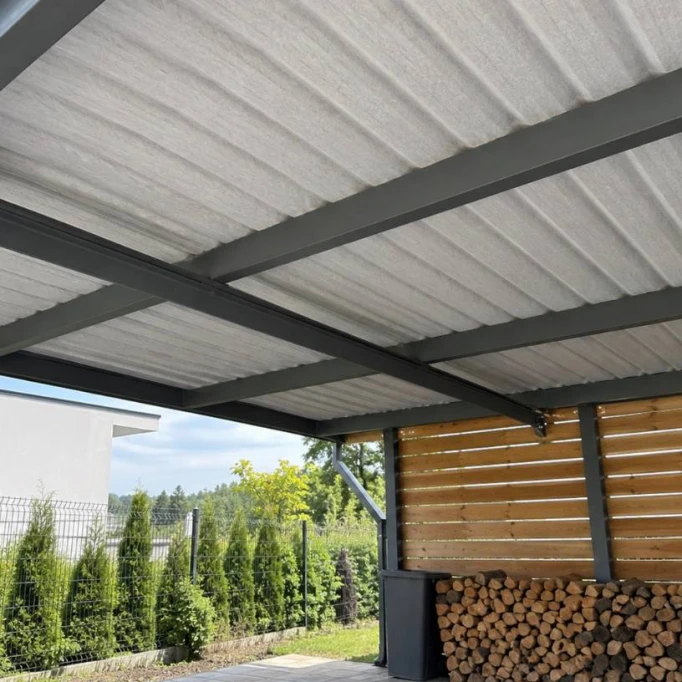
Trapezoidal Sheet Metal with Dripstop: When Does It Make Sense?
Trapezoidal sheet metal is a popular solution for garages, carports, warehouses, agricultural buildings and industrial halls. However, in uninsulated buildings, condensation often forms on the underside of the sheet metal.
One possible solution is trapezoidal sheet metal with an anti-condensation Dripstop layer.
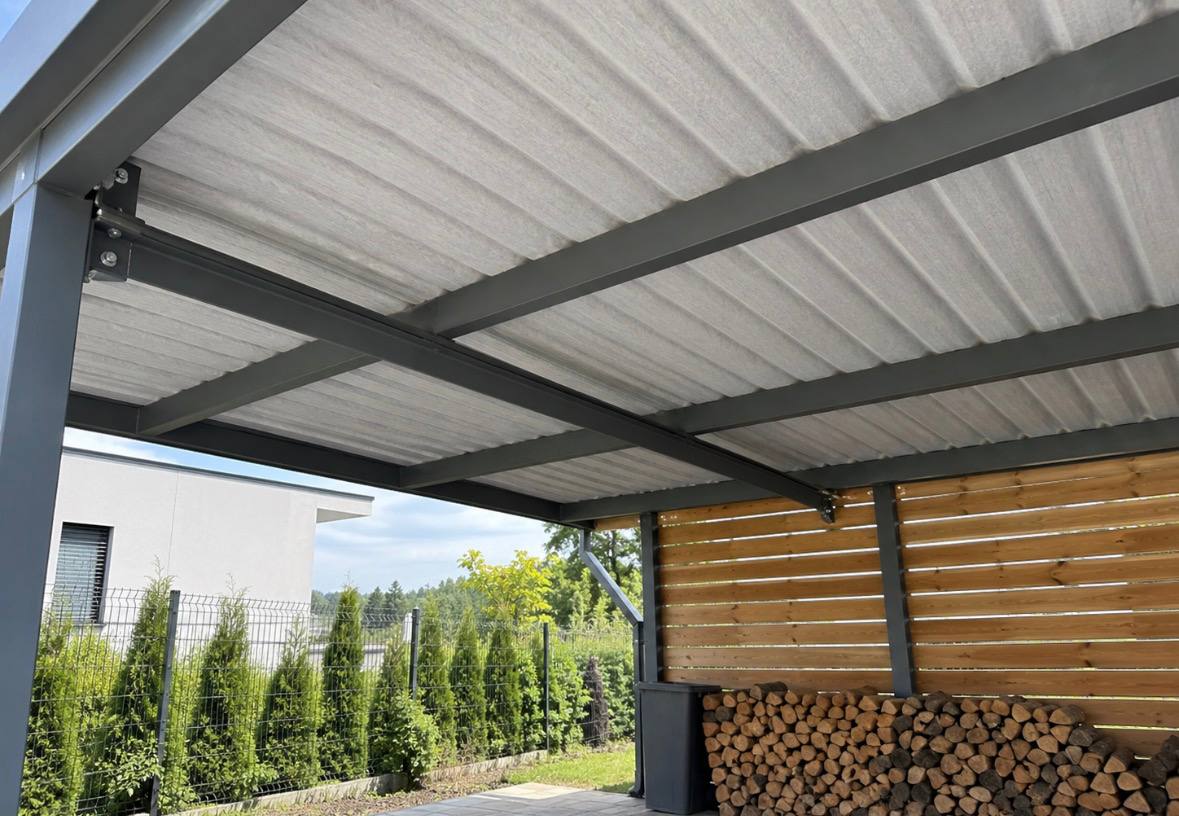
What Is Dripstop?
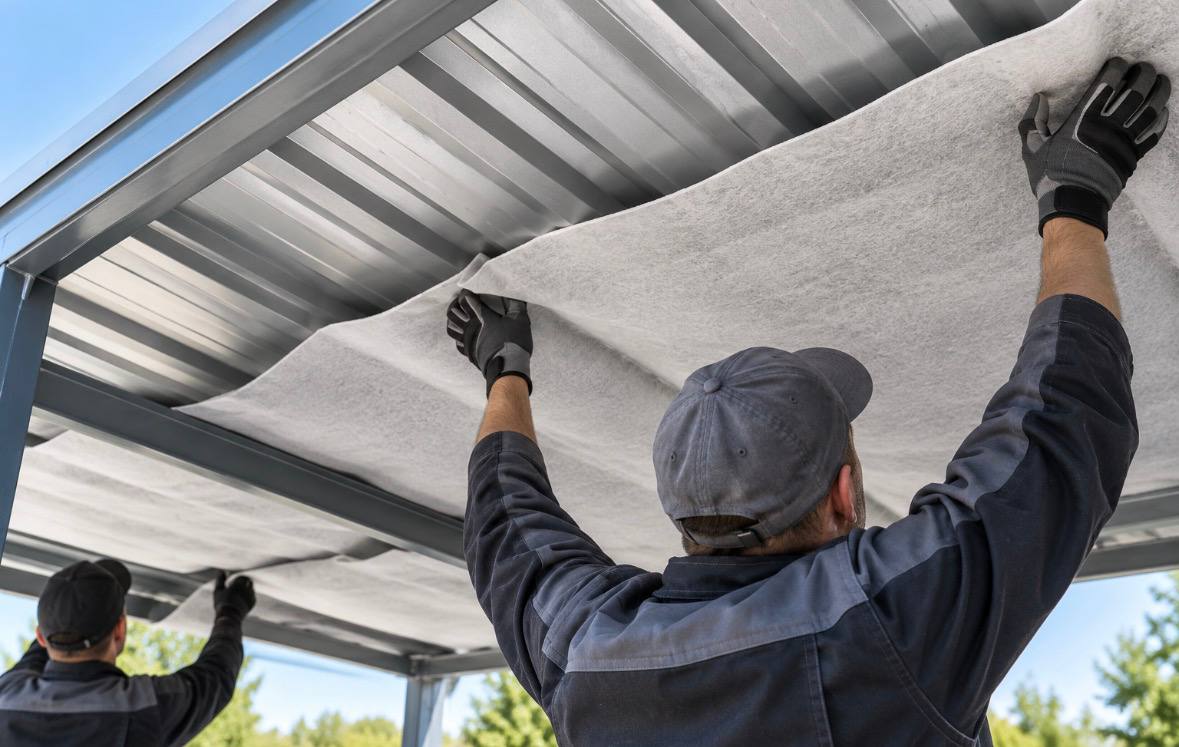
Dripstop is a special absorbent layer applied directly to the underside of the sheet metal during production.
Its purpose is not to prevent condensation from forming, but to absorb the water droplets that appear and prevent them from dripping into the space below the roof.
Once conditions change and the area is properly ventilated, the absorbed moisture gradually evaporates.
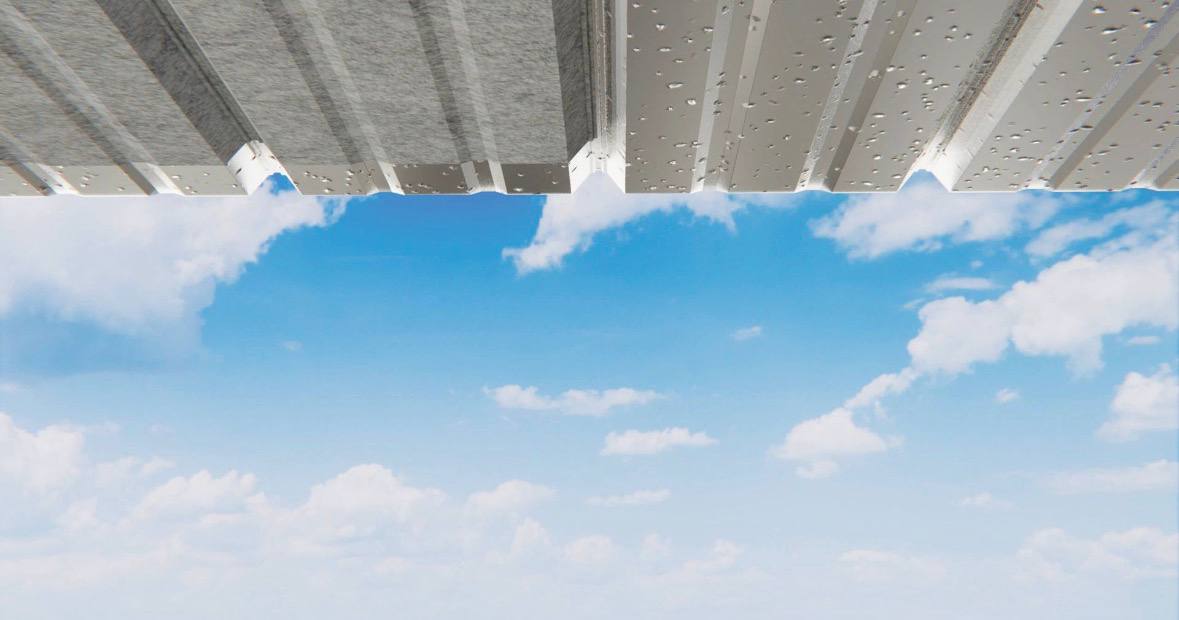
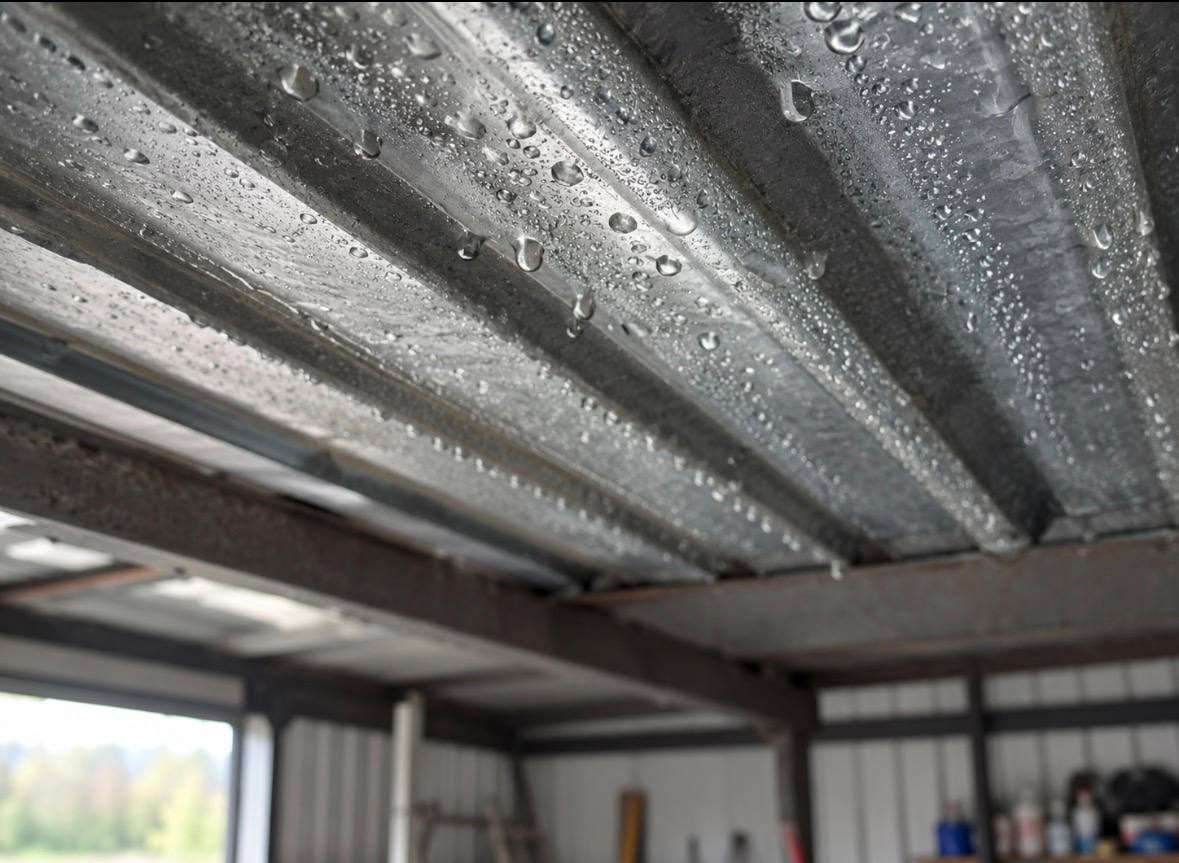
Sheet metal cools down very quickly. If warmer and more humid air is present underneath the roof, water can begin to condense on the cold metal surface.
This means that water inside a building does not always indicate a leaking roof. Moisture can form directly on the underside of the roofing material.
This is commonly seen in:
• garages,
• carports,
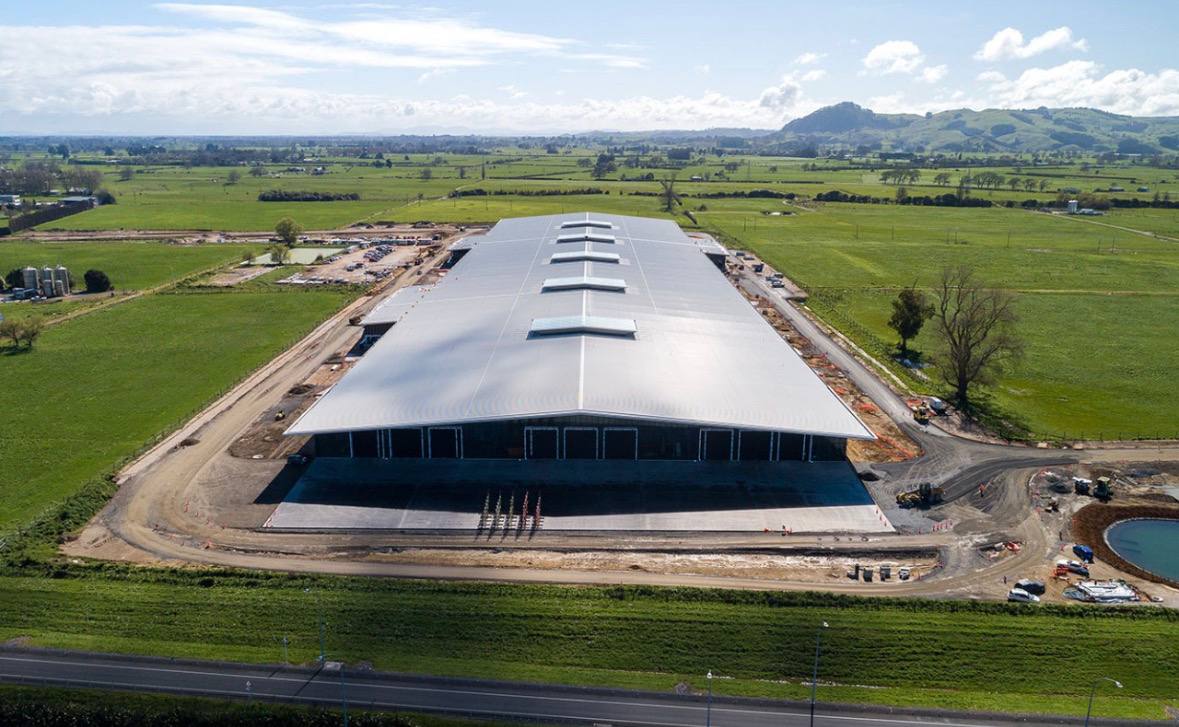
• warehouses,
• uninsulated halls,
• agricultural buildings,
• various shelters and canopies.
When Does Dripstop Make the Most Sense?
Dripstop is especially suitable for simple uninsulated structures where a complex roof build-up is not required.
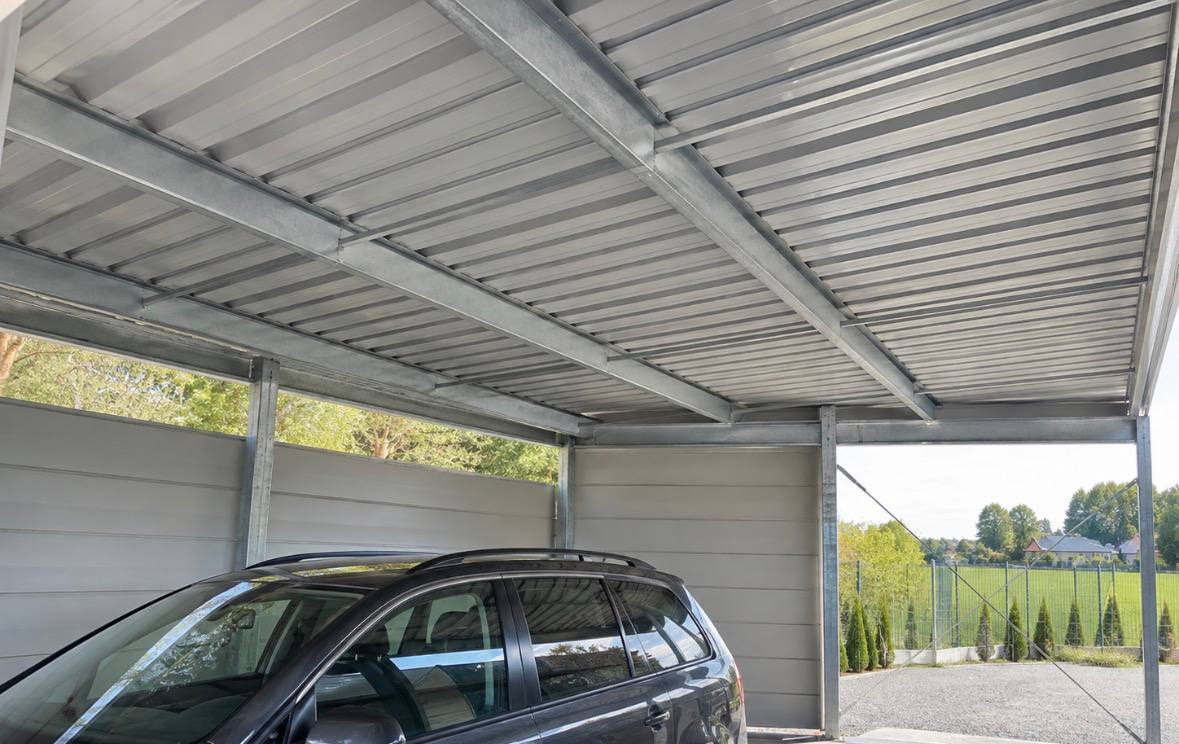
A typical example is an uninsulated garage. A car brought inside during rain or snow introduces moisture into the space, and during a cold night, water droplets may form on the underside of the roof.
Dripstop can also be useful in carports, warehouses or agricultural buildings where dripping water could damage stored materials, equipment or vehicles.
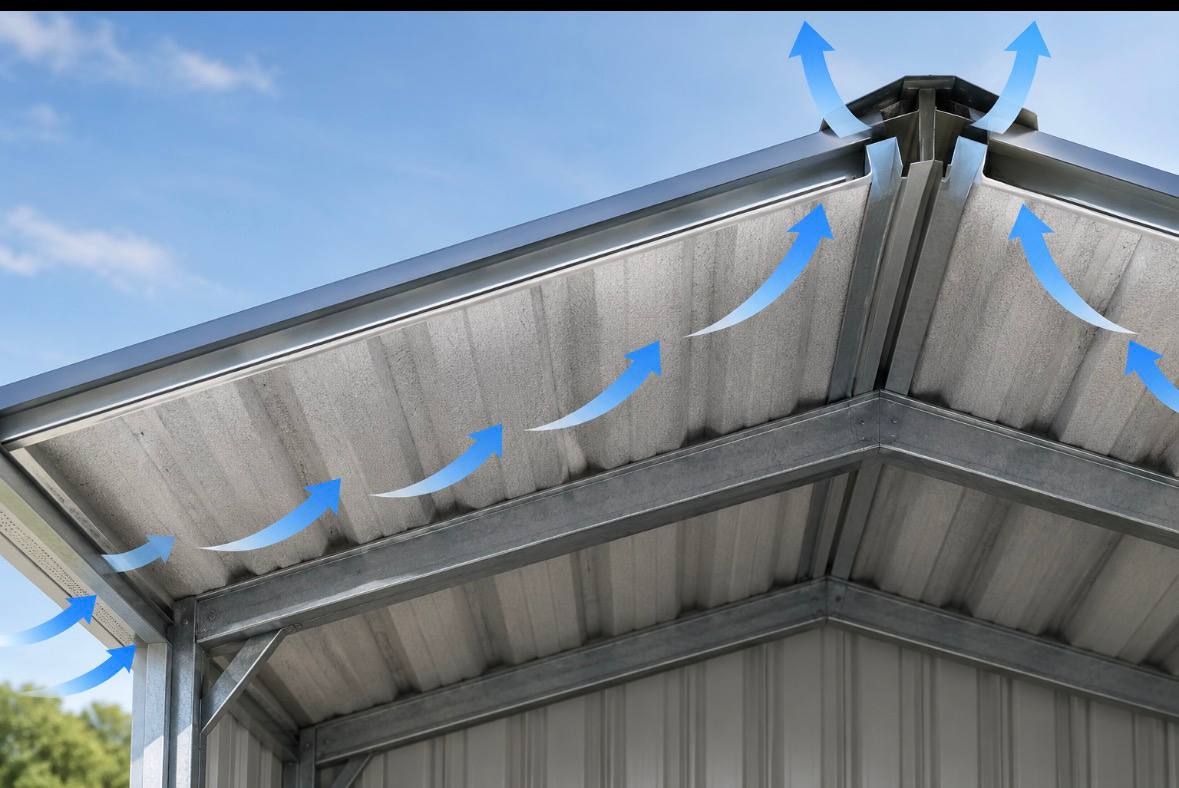
Dripstop only holds moisture temporarily. To work properly, it must have the opportunity to dry afterwards.
For this reason, sufficient airflow beneath the roof is very important.
If the space remains closed, permanently humid and poorly ventilated, the anti-condensation layer alone may not be enough.
Dripstop Is Not Insulation or Waterproofing
It is important to understand that Dripstop does not replace thermal insulation.
If the building is heated, a properly designed insulated roof build-up is still required.
Dripstop also does not solve water leaks caused by incorrectly installed joints, screws, penetrations or damaged roofing.
Its main purpose is to absorb moisture caused by condensation.
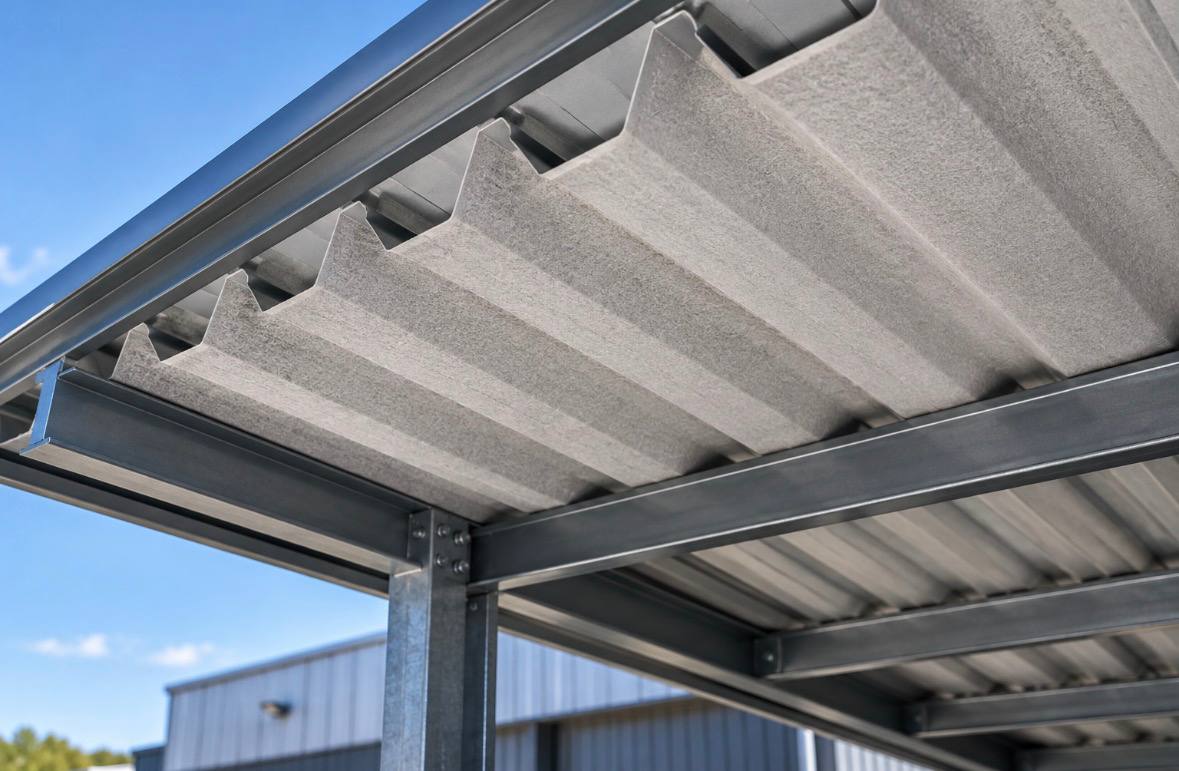
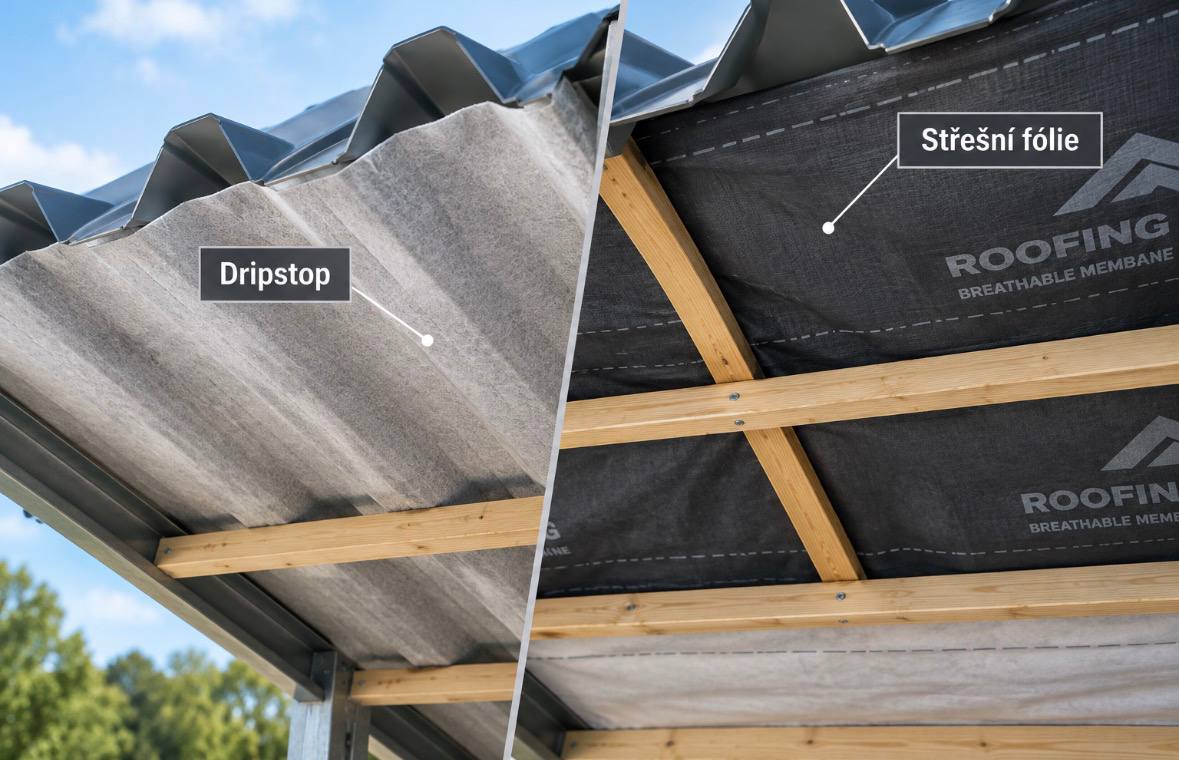
Dripstop is applied directly to the underside of the metal sheet and is mainly intended for simple uninsulated roofs.
A roofing membrane, on the other hand, is a separate layer within the roof build-up and is designed to collect and drain water that may get underneath the roofing material.
For family houses and insulated roofs, Dripstop generally does not replace a standard roofing membrane system.
Can Dripstop Be Added Later?
Original Dripstop is applied to the sheet metal during production, so it needs to be ordered together with the trapezoidal sheets.
It is normally not added afterwards to an already installed roof.
Which Profile Should You Choose?
Dripstop only deals with condensation. The trapezoidal profile and sheet thickness must still be selected according to the supporting structure, spacing between supports and roof loads.
For smaller garages or carports, lower profiles such as T18 may be sufficient. For larger buildings, higher profiles such as T35, T45, T60 or T85 are commonly used.
Summary
Trapezoidal sheet metal with Dripstop makes the most sense for uninsulated buildings where there is a risk of condensation and water dripping from the underside of the roof.
It is suitable for example for:


