

Metal Roof Noise During Rain: Myths and Reality
One of the most common concerns when choosing metal roofing is its supposed noisiness. Many people imagine a metal roof as producing loud drumming sounds during rainfall, which can be heard throughout the house and may be particularly disturbing in attic rooms.
But is a metal roof really significantly noisier during rain than other types of roofing?
In reality, the overall roof build-up is far more important than the roofing material itself. In a modern family house with properly designed thermal and acoustic insulation, rain noise on a metal roof does not have to be a problem inside the building at all.
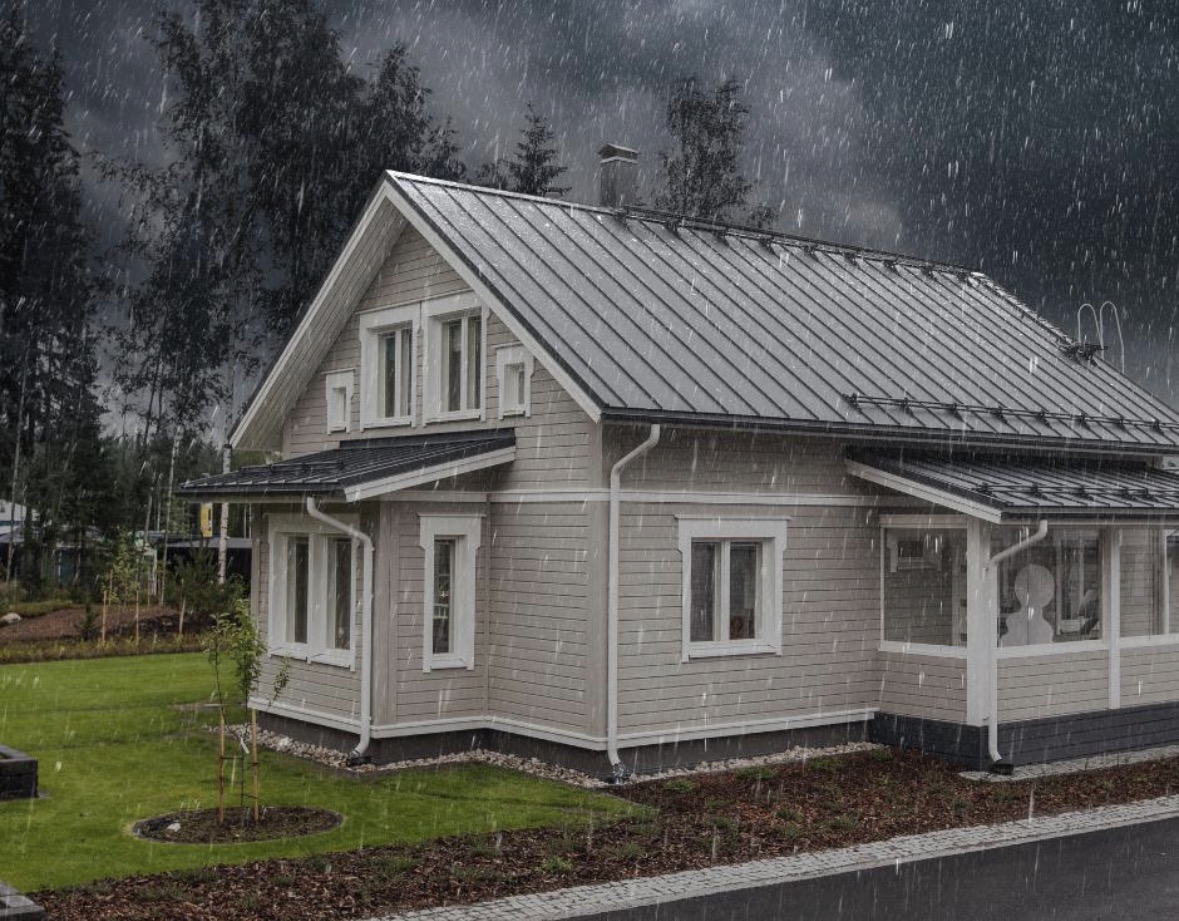
Why Did the Myth of Noisy Metal Roofs Arise?
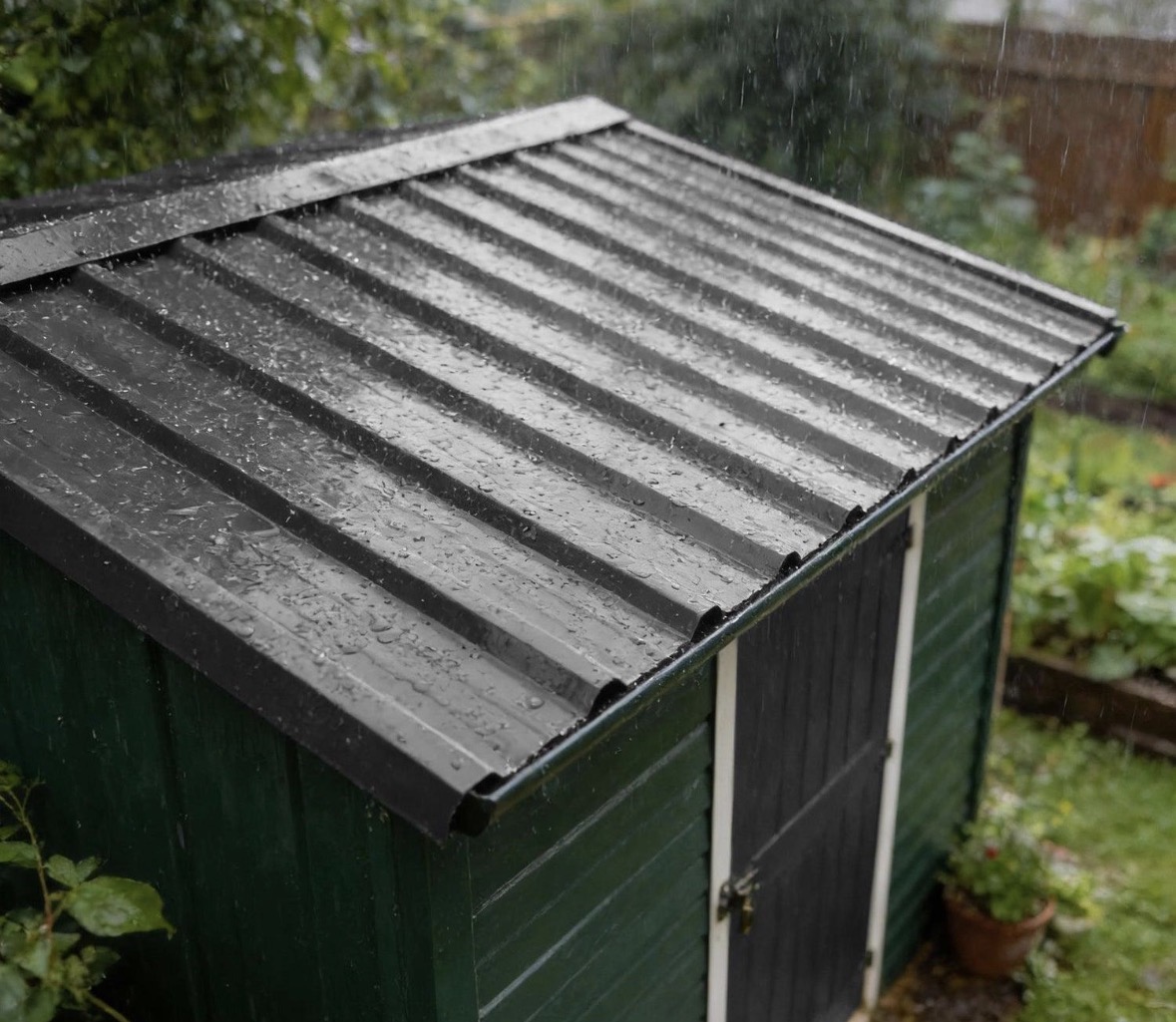
The reputation of metal roofs as being noisy does have a real basis. Typical examples are older agricultural buildings, warehouses, garages or shelters where metal sheets were installed directly onto a simple timber or steel structure.
If there is no thermal insulation, solid decking or other layers beneath the metal sheet, raindrops hit the thin metal surface directly. The sheet can then behave similarly to a membrane, allowing sound and vibrations to travel easily into the space below the roof.
However, this type of construction is fundamentally different from the roof of a modern family house.
The Metal Sheet Itself Is Not the Deciding Factor
When assessing roof noise, the entire roof build-up needs to be considered.
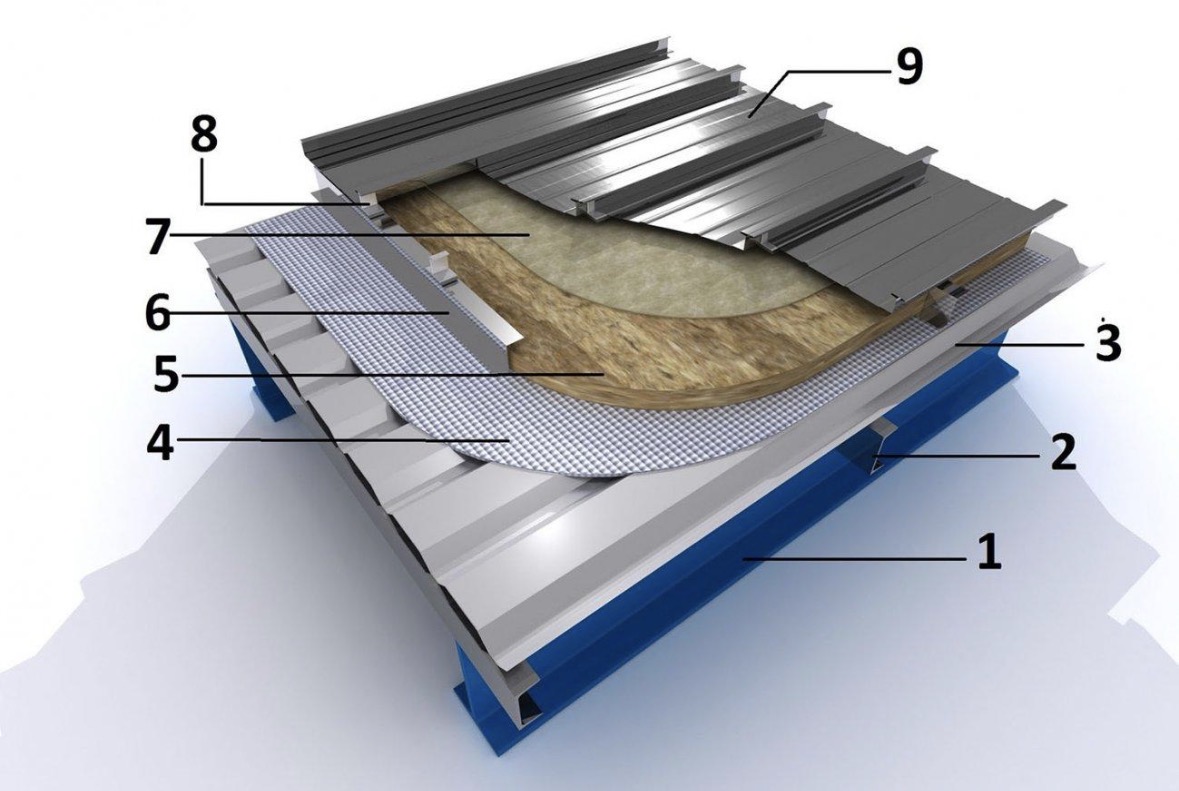
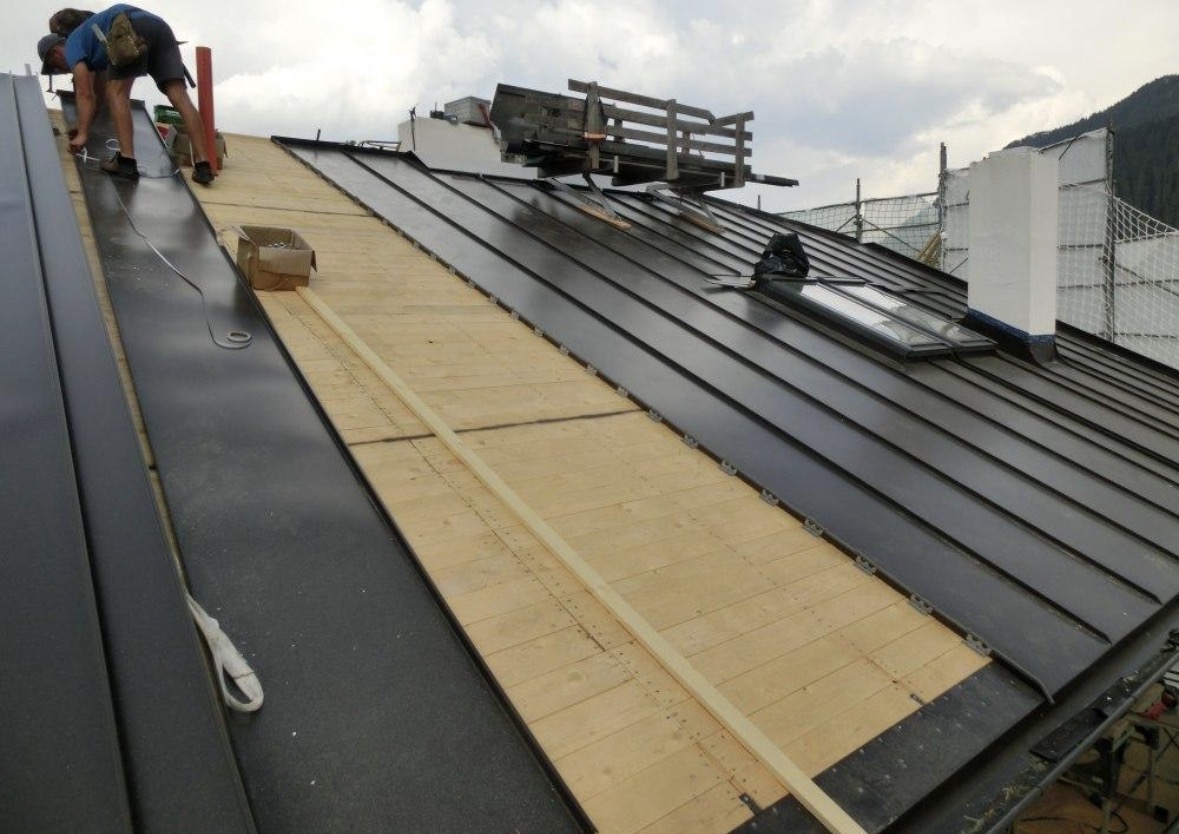
A modern pitched roof may include, for example, metal roofing, battens or a dedicated fixing system, counter-battens, a roofing membrane, solid decking, thermal insulation between and below the rafters, a vapour barrier and the interior ceiling finish.
Each of these layers influences the transmission of sound.
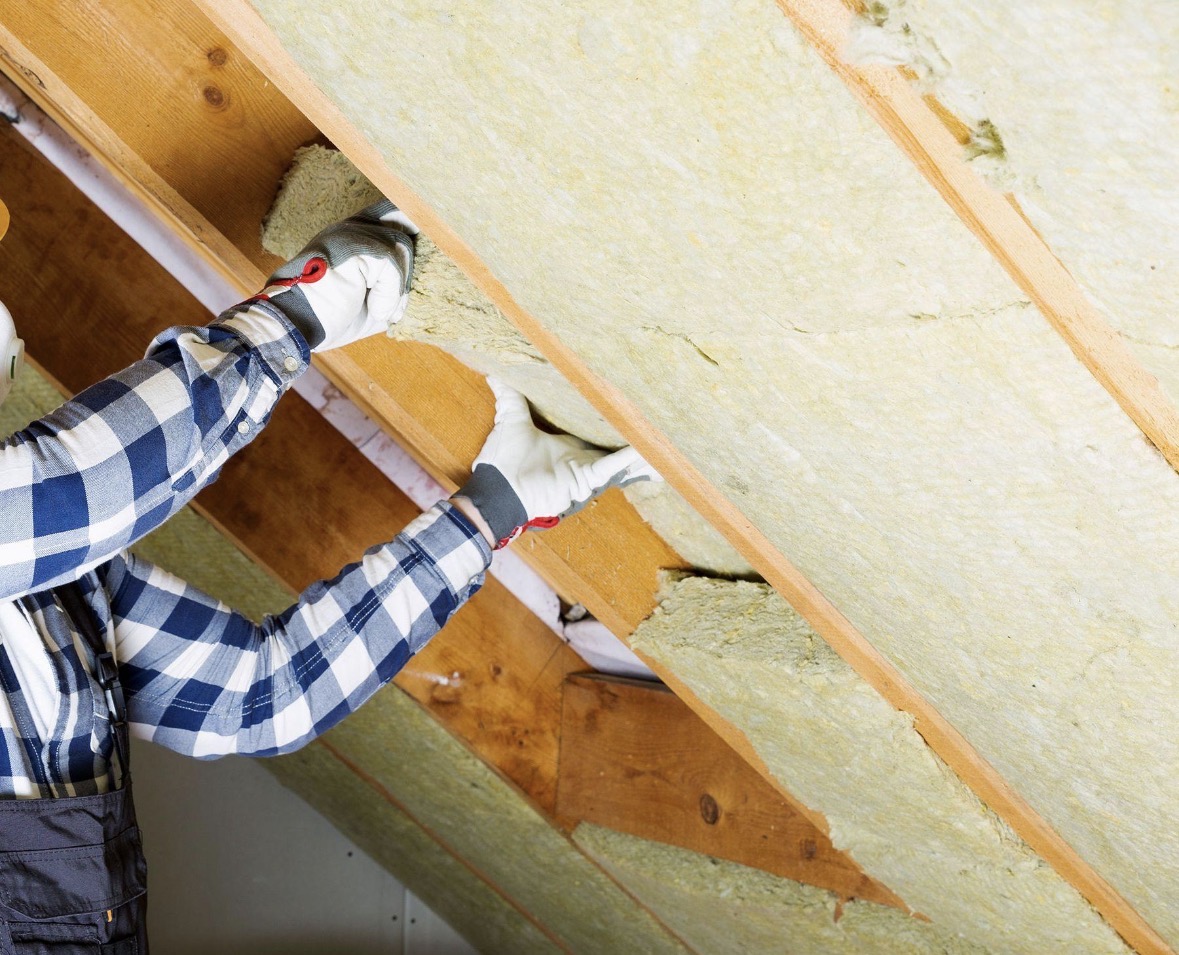
Thermal insulation plays a particularly important role. Thanks to its fibrous structure, mineral wool is very effective at absorbing sound and significantly reducing its transmission towards the interior.
For this reason, the noise level of a properly constructed metal roof cannot be compared with, for example, a simple trapezoidal metal sheet installed on an uninsulated garage.
What Happens During Heavy Rain?
During intense rainfall or hail, every type of roofing naturally produces a certain amount of noise. On a metal surface, the impact of individual raindrops can be more pronounced than on heavy concrete or clay roof tiles.
However, this does not mean that the same level of sound will be heard inside the house.
A properly designed roof build-up can absorb a large proportion of the generated sound before it reaches the living areas.
The difference between an uninsulated shelter and a well-insulated roof on a family house can therefore be enormous.

Thermal Insulation Also Works as Acoustic Insulation
One of the most important elements is a sufficient layer of insulation.
Modern houses commonly use substantial thicknesses of mineral insulation. Its primary purpose is, of course, to reduce heat loss, but at the same time it can also effectively absorb sound.
The better the roof structure is designed, and the fewer points there are through which vibrations can be transmitted directly into the interior, the better its acoustic performance will be.
For this reason, not only the thickness of the insulation matters, but also its correct installation without unnecessary gaps and acoustic bridges.
Does Solid Roof Decking Help?
Yes. Solid roof decking can be another element that positively affects the acoustic performance of a roof.
It creates a continuous structural layer beneath the roofing and, together with the other layers of the roof build-up, helps reduce the transmission of vibrations.
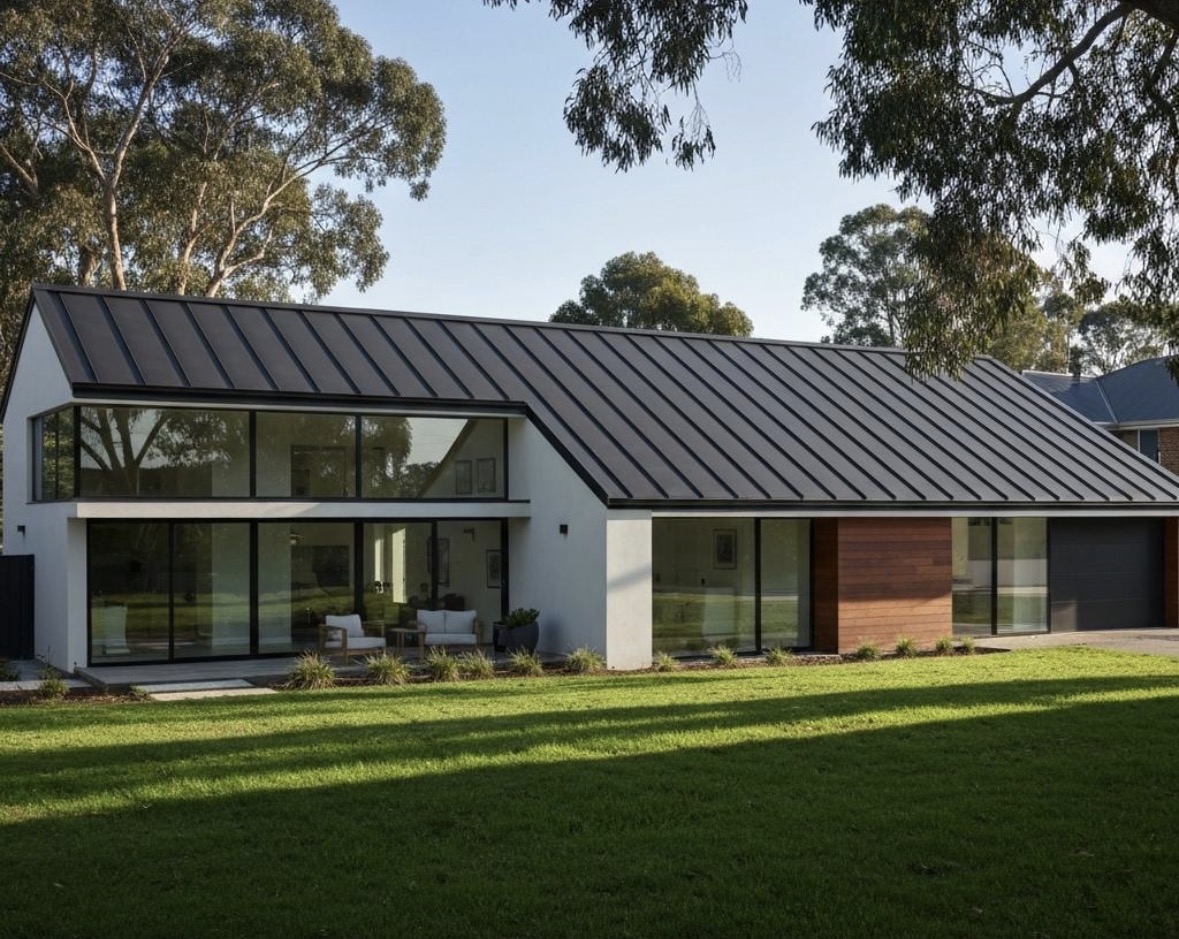
A properly constructed standing seam metal roof therefore behaves very differently in terms of acoustics from a metal sheet fixed directly onto a few battens on a simple shelter.
Standing Seam Roofing, Click Panels or Metal Roof Tiles?
Another common question is whether there are significant differences between individual types of metal roofing.
Certain differences naturally exist.
However, the final noise level is generally influenced much more by the structure beneath the roofing than by the metal profile itself.
Whether you choose traditional standing seam roofing, Click panels, metal roof tiles or trapezoidal sheets, the key factors are a correctly designed roof build-up, proper installation and high-quality thermal and acoustic insulation.
What About Hail?
Hail represents a more extreme situation than ordinary rainfall.
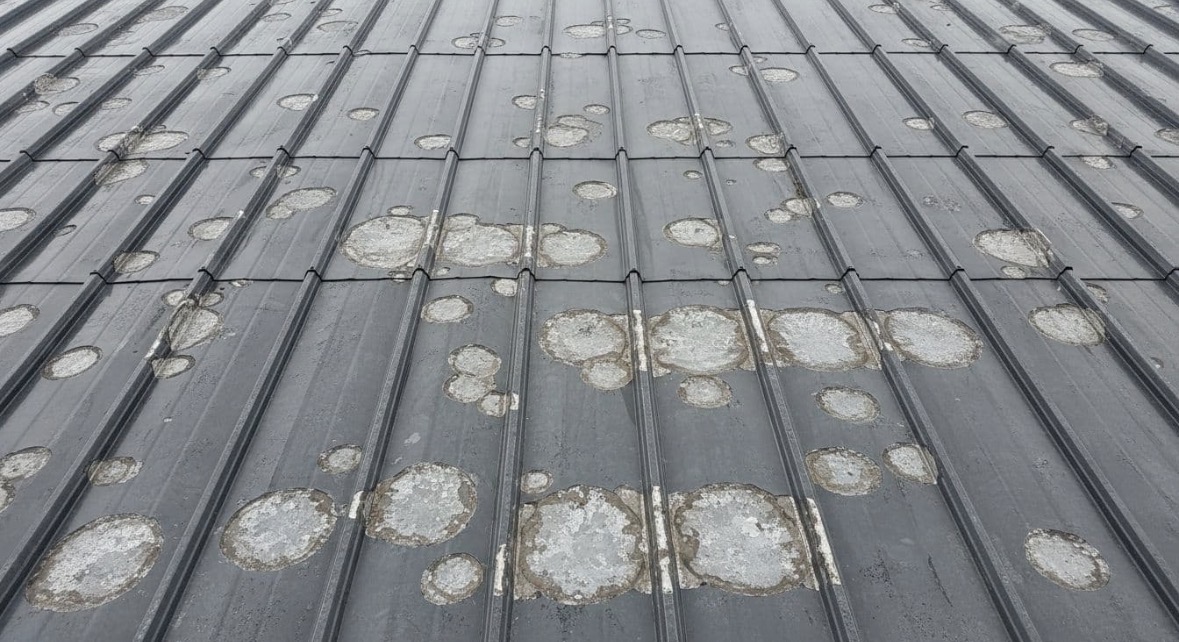
The impact of larger hailstones on metal roofing will be audible, and it would not be realistic to claim that a metal roof will remain completely silent under all conditions. However, a well-insulated roof structure can significantly reduce this noise as well.
In addition, hail is generally a short-term event, whereas during normal rainfall the difference heard inside a properly constructed house can be surprisingly small.
The Biggest Problem Is Not the Metal, but an Incorrect Roof Build-Up
If a metal roof is unpleasantly noisy inside the building, the roofing material itself may not necessarily be the cause.
The problem may be insufficient insulation, an incorrectly designed roof build-up, unsuitable fixing methods, missing structural layers or the direct transmission of vibrations into the supporting structure.
For this reason, when installing a metal roof, it is important not only to choose a high-quality roofing material but also to ensure professional design and correct installation.


