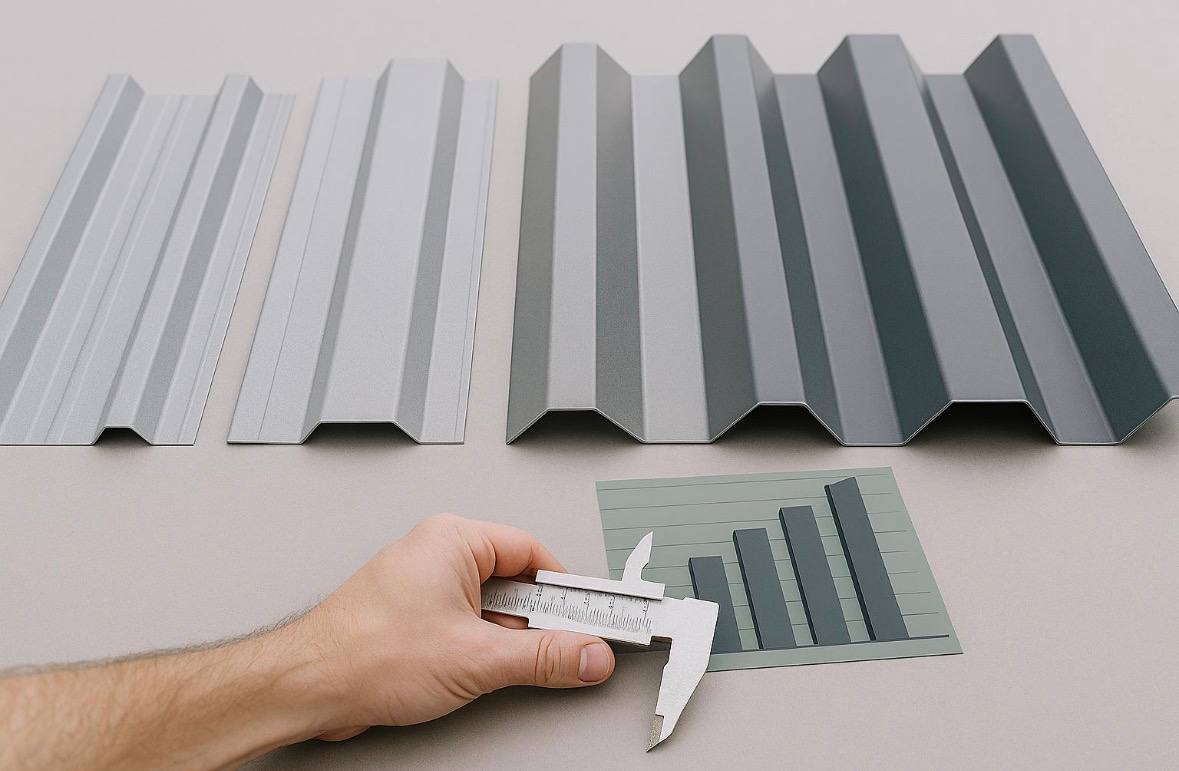

Which Trapezoidal Sheet Should You Use for an Industrial Hall?
Trapezoidal sheet metal is one of the most commonly used materials for cladding and roofing industrial, manufacturing, warehouse, and agricultural buildings. The reason is simple – it is lightweight, strong, quick to install, and, when properly designed, offers an excellent balance between cost and service life.
However, when choosing trapezoidal sheet metal for an industrial hall, price or colour should not be the only deciding factors. The most important parameters include the profile height, sheet thickness, spacing between supporting elements, roof loads, and whether the sheet will be used as roofing, façade cladding, or as a load-bearing part of the roof structure.
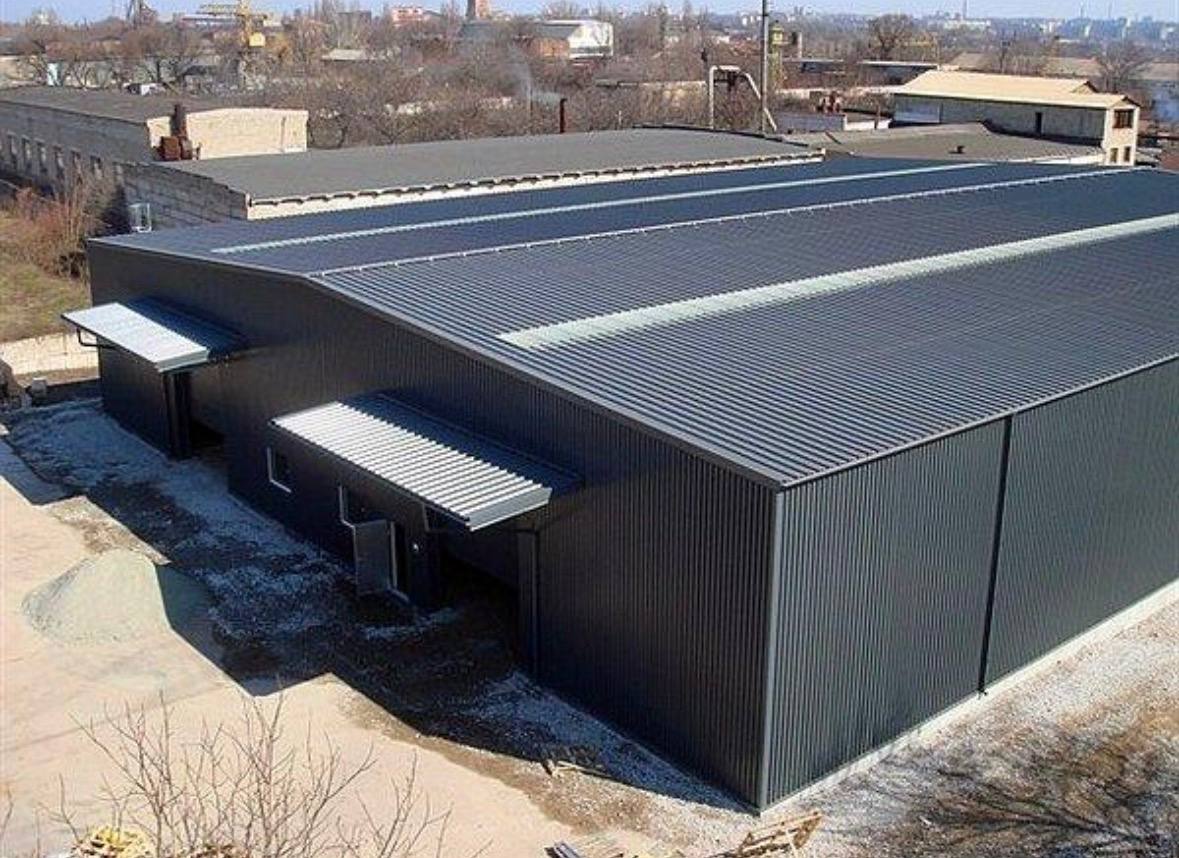
What Do T18, T35, T60 or T153 Mean?
The number in the designation of a trapezoidal sheet generally indicates the approximate profile height in millimetres.
As a general rule, the higher the trapezoidal profile, the greater its potential stiffness and load-bearing capacity. However, the actual load-bearing capacity cannot be determined by profile height alone. It also depends on the sheet thickness, quality and type of steel, support arrangement, number of spans, and distance between supporting elements.
For industrial buildings, it is therefore important to base the selection on structural calculations and the load tables provided by the specific manufacturer.
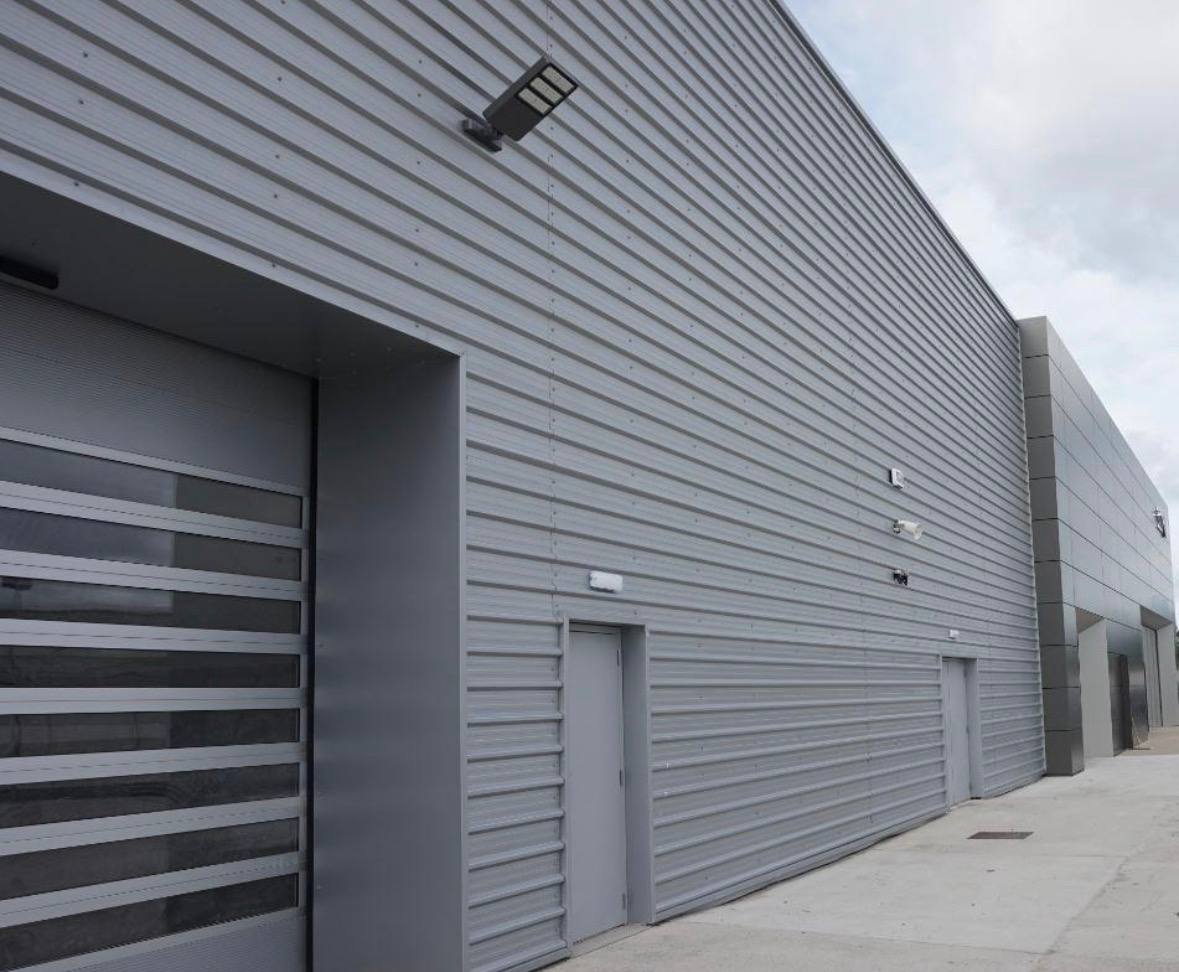
T8 and T12 – Mainly for Façades and Cladding
Low trapezoidal profiles such as T8 or T12 are primarily used for wall cladding on industrial and warehouse buildings.
Their main advantages are low weight, easy installation, and an attractive price. They are particularly suitable for:
• façades of industrial buildings,
• warehouses,
• agricultural buildings,
• soffits,
• interior cladding,
• technical buildings.
However, low profiles are generally not the appropriate choice for the main load-bearing roof structure of a large industrial hall.
T18 – A Versatile Solution for Smaller Buildings
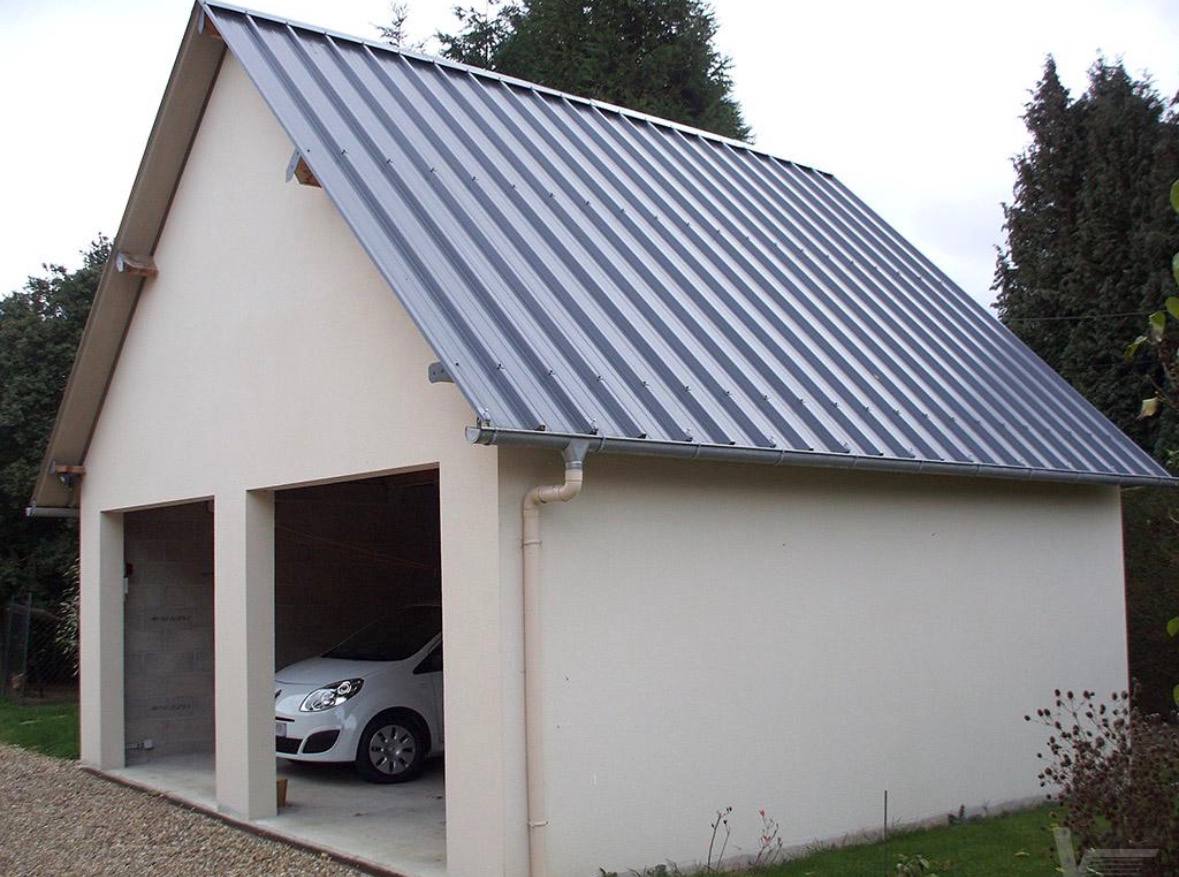
T18 trapezoidal sheet is a versatile profile suitable for smaller roofs as well as façades.
It is commonly used for smaller warehouses, garages, carports, agricultural buildings, workshops, and smaller industrial structures.
For large industrial halls, however, the support spacing and expected loads must be carefully assessed. Where larger spans are required, choosing a higher profile is usually more appropriate.
T35 and T45 – A Common Choice for Industrial Hall Roofs
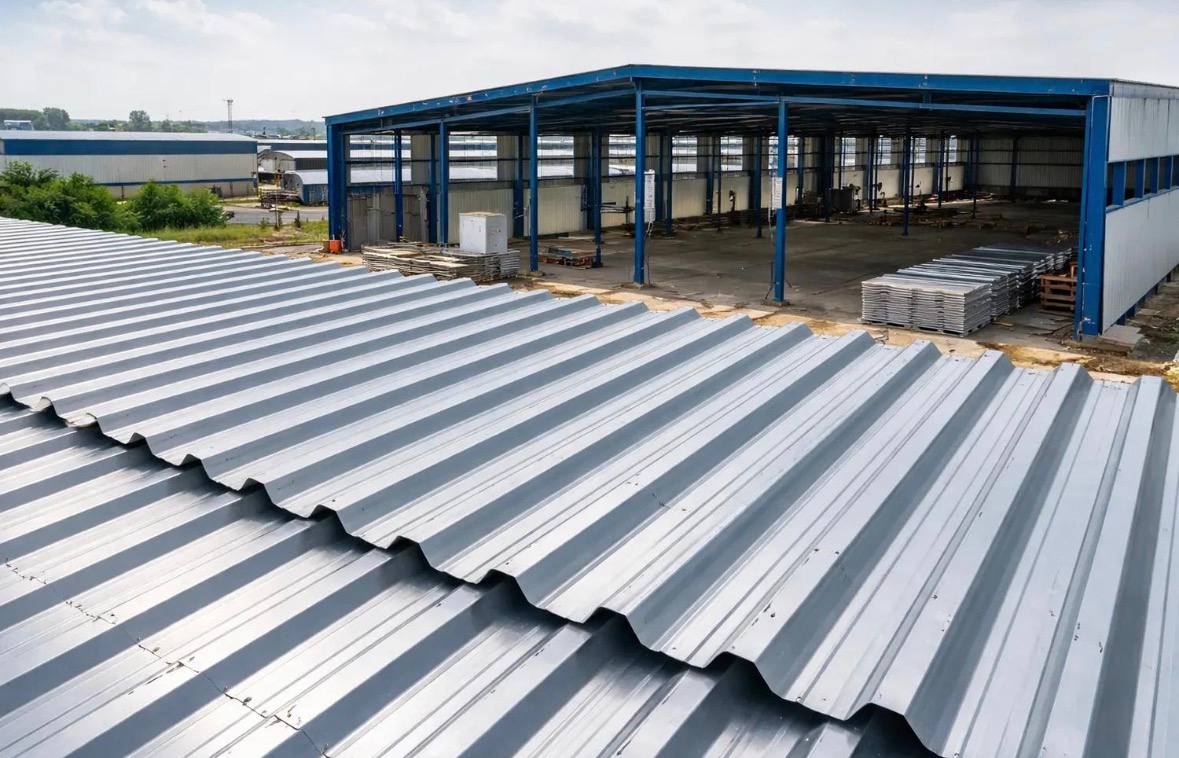
Profiles around T35 to T45 are frequently used for conventional roofing of industrial and warehouse buildings.
Compared with T18, the higher profile provides greater stiffness and makes it possible to work more effectively with larger distances between supports.
T35 or T45 can be a suitable choice for:
• manufacturing halls,
• warehouses,
• logistics buildings,
• agricultural halls,
• commercial buildings,
• larger shelters and canopies.
However, the exact sheet thickness must always be selected according to structural calculations. The same profile can have significantly different properties when manufactured from, for example, 0.50 mm, 0.70 mm, or 1.00 mm thick steel.
T60 and T85 – When Higher Load-Bearing Capacity Is Required
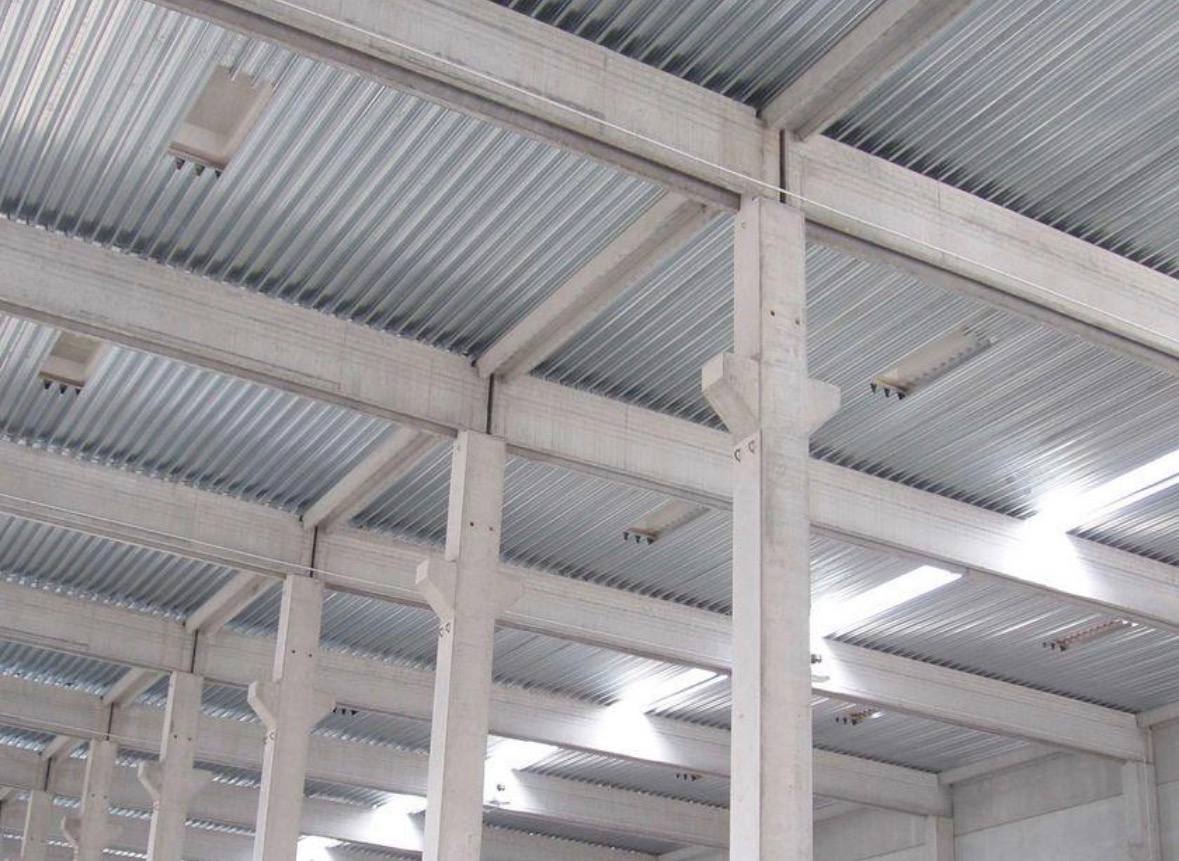
For larger industrial buildings, higher trapezoidal profiles such as T60 or T85 are often used.
These profiles are intended for structures where greater load-bearing capacity and larger distances between supports are required. They can be used as part of the roof structure of industrial halls or as a load-bearing substrate for additional roofing layers.
A higher profile can help optimise the supporting structure, but it must always be designed as part of the complete roofing system.
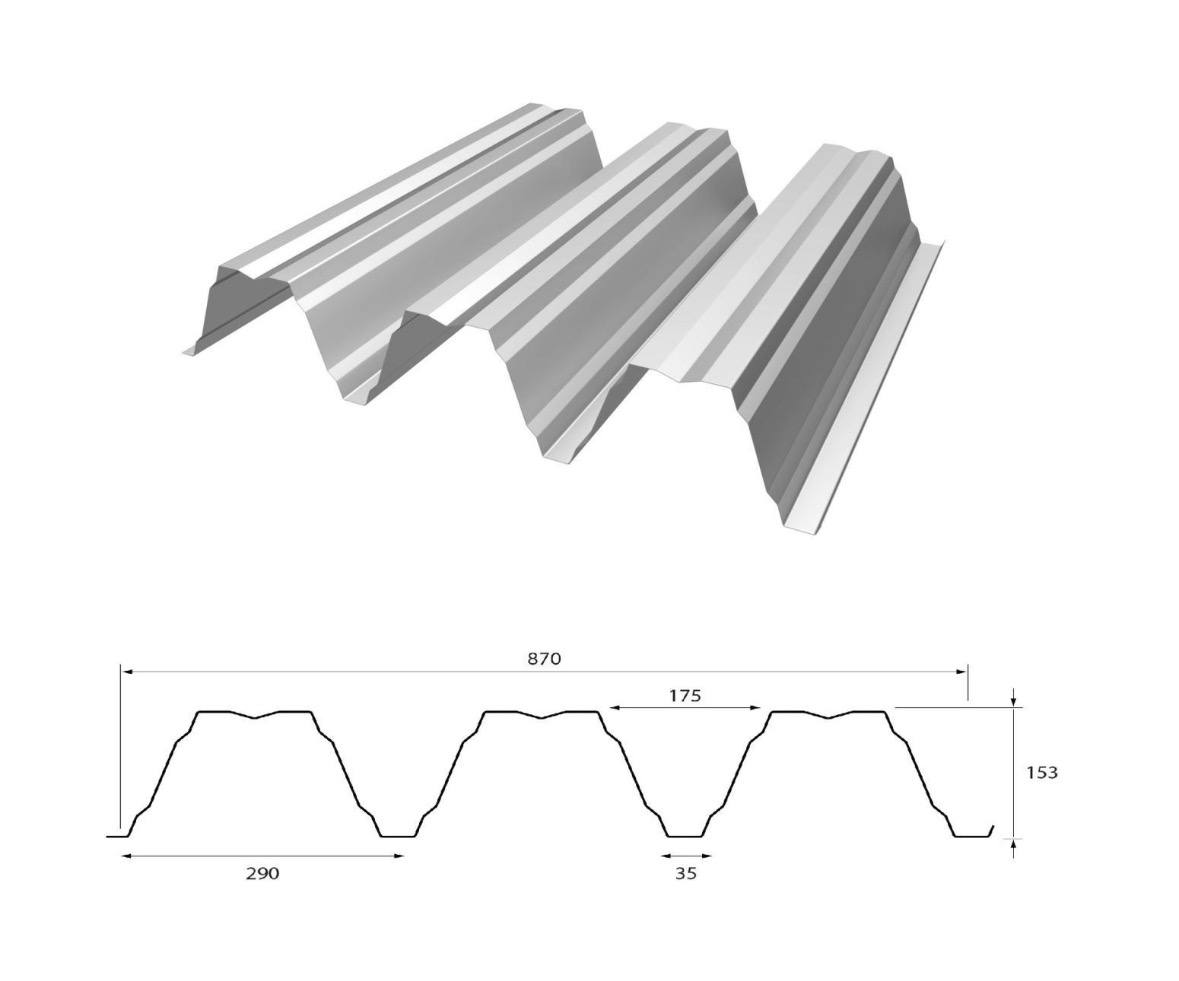
T135 and T153 – Structural Trapezoidal Sheets
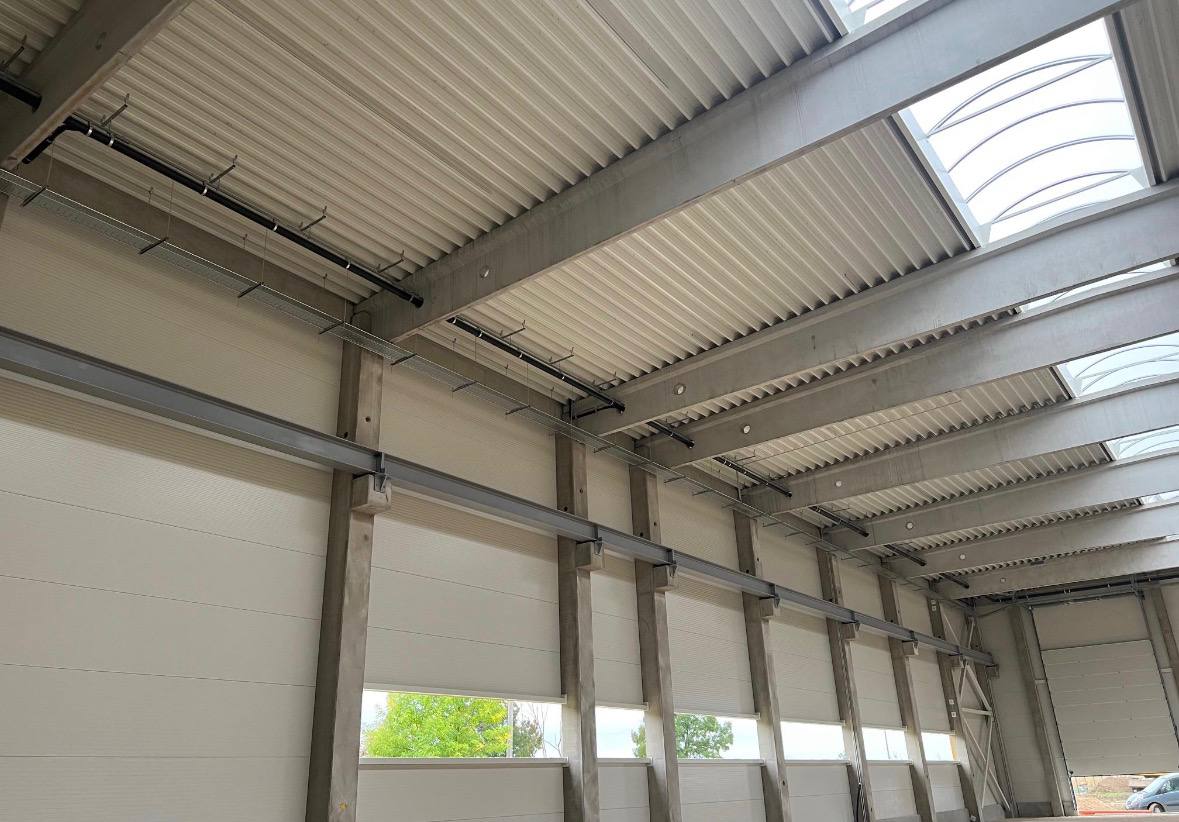
Large industrial, logistics, and commercial buildings may require high structural profiles such as T135 or T153.
At this point, we are no longer dealing only with conventional sheet metal roofing. The trapezoidal sheet itself can become an important load-bearing element of the roof system.
Additional roof layers can then be installed over the load-bearing trapezoidal sheet, such as a vapour barrier, thermal insulation, and a waterproofing membrane.
This type of construction is commonly used for large manufacturing halls, logistics centres, supermarkets, and other large-scale commercial and industrial buildings.
What Thickness of Trapezoidal Sheet Should You Choose?
One of the most common mistakes is selecting trapezoidal sheet metal based only on the profile.
For example, the T35 designation alone does not tell us the actual load-bearing capacity of the sheet. The thickness of the steel is equally important.
For façade cladding, thinner sheets may be sufficient in certain applications. For roofing and especially load-bearing profiles, greater thicknesses are used depending on the required loads and spacing between supports.
The calculation should take into account:
• snow loads,
• wind loads,
• spacing of purlins or other supports,
• roof pitch,
• length of individual spans,
• fixing method,
• thickness and type of steel.
For larger industrial halls, we therefore recommend always selecting the profile and thickness according to structural calculations and the technical load tables for the specific